Game Over SVG: A Bold Graphic Template for Dynamic Design Projects
First Impressions: A Strong Visual Statement
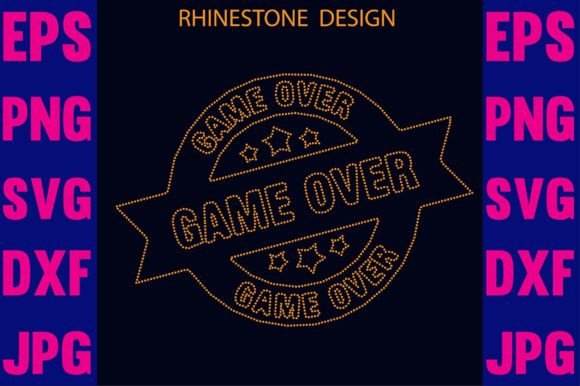
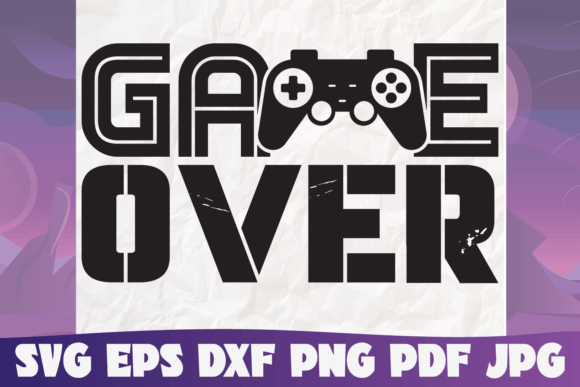
Opening up the Game Over SVG design asset, the first thing that stands out is its bold, expressive style. It’s not just another graphic—it carries a distinct mood, blending edgy typography with a sense of finality and impact. As a designer working on client branding and visual storytelling, this kind of asset can either elevate a concept or overpower it if not used strategically.
The design feels like it belongs in a high-contrast, thematic visual narrative—perfect for clients who want to make a memorable impression. It’s the kind of graphic you’d consider for a product launch that needs punch, a themed event with a dramatic twist, or a boutique brand that thrives on personality over polish.
Real-World Use: From Branding to Merchandise
Working on a recent project for a small business specializing in retro-themed apparel, I considered Game Over SVG as a possible centerpiece for their brand identity. It wasn’t a logo candidate, but as a supporting graphic element across packaging, t-shirt design, and social media graphics, it had potential.
- Logo Design: Not ideal as a primary logo, but could be used as a supporting icon or tagline graphic.
- Brand Identity: Works well in a brand that leans toward vintage, arcade, or streetwear aesthetics.
- Packaging Design: Great for sticker seals, back-of-box accents, or limited edition labels.
- Merchandise: Especially effective on mugs, tote bags, and T-shirts where bold visuals stand out.
- Social Media Graphics: Can be used as a campaign header or story graphic for seasonal promotions.
Where Game Over SVG Shines
This design asset truly performs best in contexts where visual impact is key. It’s ideal for:
- Hero graphics on landing pages or promotional banners.
- Themed collections such as Halloween or retro gaming campaigns.
- Product mockups that need a strong visual hook.
- Editorial design for blogs or zines with a bold editorial tone.
- Printable wall art or quote cards with a dramatic flair.
Its SVG format makes it highly scalable, especially for Cricut projects or Canva templates where flexibility is essential. The PNG transparency allows for seamless integration into layered designs, and the JPEG version works well for sublimation printing on merchandise.
When to Use It with Caution
Despite its strengths, Game Over SVG isn’t a one-size-fits-all solution. It should be used carefully in:
- Minimalist branding where clean lines and simplicity are key.
- Professional corporate materials that require a subdued tone.
- Small-scale designs like business card icons or app UI elements where detail gets lost.
- Complex layouts already packed with visual elements.
- Low-contrast color schemes that may wash out the design’s impact.
In a recent packaging design for a luxury candle brand, I considered using it as a limited edition seal but quickly realized it clashed with the brand’s clean, modern aesthetic. It’s important to match the tone of the asset with the tone of the client’s brand identity.
Visual Impact and Design Psychology
From a design psychology perspective, Game Over SVG brings a sense of closure and finality—perfect for seasonal campaigns, limited-time offers, or farewell events. It naturally evokes nostalgia and can resonate with audiences who appreciate retro culture or bold visual storytelling.
Used correctly, it enhances brand consistency by reinforcing a thematic tone across multiple touchpoints. However, overuse can confuse visual hierarchy and dilute brand recognition. It’s best used as a supporting brand element rather than a dominant visual.
Designer Notes: Practical Checks Before Use
Before finalizing any client project using Game Over SVG, I always run through a checklist to ensure technical and visual integrity:
- Test in black and white to see if the design still reads clearly without color cues.
- Check contrast against both light and dark backgrounds to ensure legibility.
- Preview at multiple sizes—especially if it will appear on product labels or mobile graphics.
- Place it on real mockups to see how it integrates with physical materials.
- Review file formats included—especially SVG and EPS for editing in Adobe Illustrator or Silhouette Studio.
- Inspect PNG transparency for clean layering in Canva templates or web graphics.
- Compare with font styles—works best with sans-serif or display fonts, but can clash with script or serif typefaces.
- Confirm commercial licensing before using it in any print-on-demand or Etsy product.
These steps ensure that the design doesn’t just look good on screen but also performs well across print, digital, and physical applications.
Final Thoughts: A Valuable Addition to Your Design Bundle
Game Over SVG is more than just a clipart download—it’s a versatile graphic design asset that, when used thoughtfully, can elevate a client’s visual narrative. Whether you’re crafting a themed campaign, designing merchandise, or building a bold social media presence, this SVG design brings a strong emotional appeal and visual punch.
For creative designers, Etsy sellers, and small business branding experts, it’s a useful tool in the creative marketplace—especially when paired with the right fonts, mockups, and supporting design elements. Just remember to treat it like any professional design asset: test it, evaluate it, and place it with purpose.